Light Roast vs Dark Roast: Find Your Happy Cup
Short answer
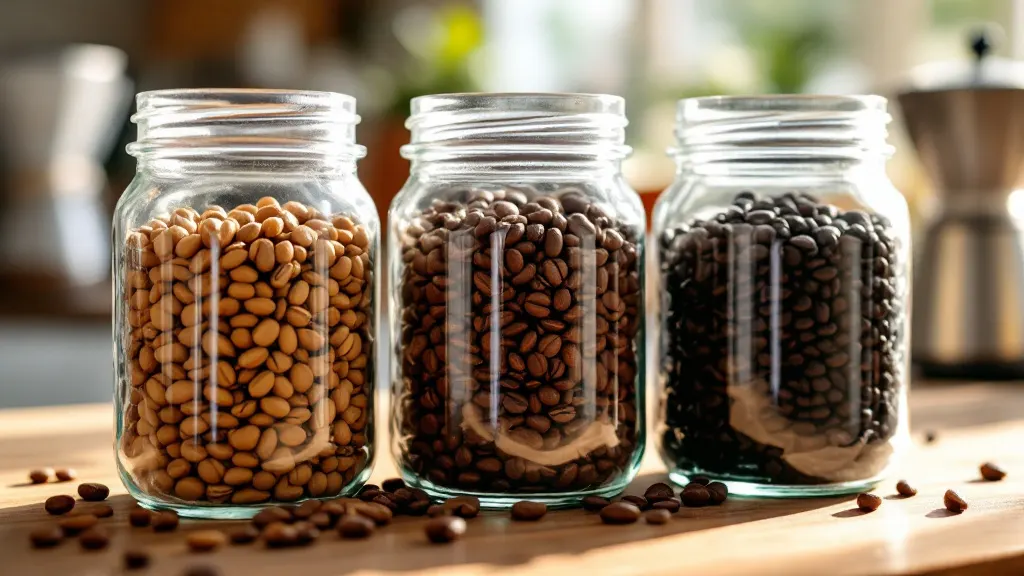
Light roast vs dark roast is mostly about flavor: light roasts taste bright and fruity and keep more chlorogenic acids, while dark roasts taste bold and cocoa-like with more body. Caffeine per gram barely changes with roast; brewed the same way, light and medium roasts often have slightly more.
Barista tip
Try the same coffee two ways this weekend. Brew a light roast with water just off the boil and a slightly finer grind, then brew a dark roast a touch coarser with water that has rested for 30 seconds. Taste both black, side by side, from warm to cool. Flavors change as the cup cools, and light roasts especially bloom into sweetness.
Light roast vs dark roast is the flavor dial you can turn on any coffee. The same green beans can taste like blueberries and jasmine or like dark chocolate and campfire, depending on how long and how hot they roast. Let's look at what changes inside the bean, which roast has more caffeine (the answer surprises most people), and how to pick your happy place.
Light roast vs dark roast at a glance
| Light roast | Medium roast | Dark roast | |
|---|---|---|---|
| Color and surface | Light brown, dry | Chocolate brown | Very dark, often oily |
| Flavor | Bright, fruity, floral, tea-like | Balanced, caramel, nutty | Bold, bitter-sweet, smoky, cocoa |
| Body | Lighter | Medium | Heavier |
| Chlorogenic acids | Highest | Middle | Lowest 1, 2 |
| Caffeine per gram of bean | About the same | About the same | About the same 2, 1 |
| Loves | Pour-over, AeroPress | Almost everything | Espresso, moka pot, French press, milk drinks |
What roasting does to a coffee bean
Green coffee is dense, grassy and not very nice to drink. Heat transforms it. As the beans roast, they lose water and mass, swell and become more porous 3. Sugars and amino acids react to build hundreds of aroma compounds and brown melanoidins, the large molecules that give coffee its color and some of its body 4, 2.
Around first crack, a popping sound like popcorn, the bean's chemistry shifts quickly 2. Light roasts usually finish soon after it. Medium roasts continue a little longer. Dark roasts go further, sometimes to a second crack, as oils move to the surface.
Along the way:
- Chlorogenic acids break down steadily. Roast degree explained close to half the variation in chlorogenic acid content in one study 1, and they slowly decline after first crack 2.
- Caffeine stays remarkably stable. It barely changed with roast level in two separate studies 2, 1.
- Antioxidant activity peaks at lighter roast degrees and then declines only slightly, because new antioxidant compounds form as old ones break down 5.
Which roast has more caffeine?
Here is the fun myth-buster. Many people assume dark roast is "stronger", so it must have more caffeine. Per gram of bean, the roast level makes very little difference 2, 1. In a study of 18 coffees, roast degree had no significant influence on the caffeine in the cup, while the brewing method and the coffee species did 6.
The more detailed picture comes from a 2024 study of 30 roast and brew combinations 3:
- Brewed the same way, dark roasts generally gave slightly lower caffeine than light and medium roasts.
- Dark beans were more porous, and extraction yields fell for roasts that lost more than about 12 to 14% of their mass.
- When the researchers compared cups at the same extraction yield, dark roasts actually had higher caffeine.
Cold brew follows a similar pattern: medium roasts produced more caffeine and chlorogenic acid than dark roasts 7.
So which roast has more caffeine? If you weigh your coffee, the difference is small. If you brew the same way, light or medium usually edges ahead a little. If you scoop by volume, remember that dark beans have lost more mass, so a level scoop can hold slightly less coffee. Coffee species also matters: robusta-heavy blends generally contain more caffeine than arabica coffees brewed with the same dose and method. See arabica vs robusta and how much caffeine is too much.
Taste: finding your roast personality
Light roasts taste of where the coffee grew. Depending on origin, you might find citrus, berries, stone fruit or flowers in the cup. They are bright, juicy and clean, and they reward careful brewing.
Medium roasts are the crowd-pleasers. Sweet caramel and nutty notes, gentle acidity and enough body for milk. If you are unsure, start here.
Dark roasts taste of the roast itself: bittersweet cocoa, toasted bread, smoke and spice. They are cozy, consistent and wonderful with milk and sugar.
Culture plays a part, too. In Finland, filter coffee is the most popular style and Finns often prefer lighter roasts 8, while Nordic light roasts gained prominence in Norway from the late 1990s 9. Light roasts brewed as filter coffee are part of daily life there, often several mugs a day.
Light vs dark roast and your body
Roast level changes chemistry, so it is natural to wonder about health. The honest summary: differences are modest, and good coffee of any roast fits a happy routine.
- Antioxidants. Lighter roasts keep more chlorogenic acids 1, yet total antioxidant activity drops only slightly with darker roasting 5. In arabica espresso, phenolic content did not differ between light, medium and dark roasts; in robusta espresso it fell as roasts got darker 10.
- Stomach comfort. A dark roast blend, higher in N-methylpyridinium and lower in chlorogenic acids, stimulated less stomach acid than a medium roast in healthy volunteers 11. If coffee bothers you, our best low acid coffee guide explains more.
- Acrylamide. This roasting by-product formed most at early roast degrees and then decreased with longer roasting in one systematic study 5; in another, dark roasting only tended to raise it, without a significant difference 1. Evidence on roast level is mixed, so we would not choose a roast on this basis.
Beans to taste the difference
We have not roasted or tasted these hands-on for this guide; details come from makers' pages and our catalog.
illy Classico: a classic medium roast
illy Classico is a 100% arabica medium roast in a pressurized tin 12. It is a smooth, balanced reference point, lovely as espresso or moka coffee.
illy Classico Whole Bean Medium Roast
espresso/drip blend $$
Best for: smooth espresso, Italian-style coffee
What we like
- 100% arabica blend
- Pressurized tin; brand says flavor holds up to two years
Keep in mind
- Higher price per ounce than supermarket blends
- Pre-roasted stock, no roast date
- roast medium
- origin 100% arabica blend
- form whole
- bag g/oz 8.8 oz (250 g); 500 g also listed
Kicking Horse Kick Ass: a deep, organic dark roast
A dark roast of Indonesian and Central and South American coffees, certified organic and Fairtrade, in 10 oz or 2.2 lb bags. Expect cocoa and smoky sweetness; great in a French press or drip machine.
Kicking Horse Kick Ass Dark Roast
dark roast $$
Best for: dark roast fans, French press and drip
What we like
- Organic and Fairtrade certified
- 2.2 lb option for value
Keep in mind
- Very dark roast hides origin character
- 10 oz bag is small
- roast dark
- origin Indonesia, Central & South America
- form whole
- bag g/oz 10 oz / 2.2 lb
Death Wish Coffee: dark roast with a robusta boost
A dark roast blend of arabica and robusta, USDA Organic and Fair Trade. The brand states about 180 mg caffeine per 6 oz brewed cup, which comes from its robusta share more than from the dark roast. Not one for caffeine-sensitive drinkers.
Death Wish Coffee Dark Roast Whole Bean
high-caffeine dark roast $$
Best for: high caffeine, dark roast fans
What we like
- Brand states about 180 mg caffeine per 6 oz brewed
- Organic and Fair Trade
Keep in mind
- Robusta-heavy taste can be bitter
- Too strong for caffeine-sensitive drinkers
- roast dark
- origin arabica + robusta; India, Peru, South & Central America
- form whole
- bag g/oz 16 oz
Stumptown Hair Bender: a versatile specialty blend
A specialty blend from Central and South America, East Africa and Indonesia, sold with a roast date and designed for both espresso and filter. A nice bridge if you are moving from supermarket coffee toward lighter, fruitier cups.
Stumptown Hair Bender Blend
espresso blend $$
Best for: espresso and drip, specialty coffee starter
What we like
- Specialty roaster blend with roast date
- Versatile for espresso or filter
Keep in mind
- Pricier per ounce than supermarket brands
- Small 12 oz bag
- roast medium
- origin Central & South America, East Africa, Indonesia
- form whole
- bag g/oz 12 oz
| Model | illy Classico Whole Bean Medium Roast | Kicking Horse Kick Ass Dark Roast | Death Wish Coffee Dark Roast Whole Bean | Stumptown Hair Bender Blend |
|---|---|---|---|---|
| Price | $$ | $$ | $$ | $$ |
| Type | espresso/drip blend | dark roast | high-caffeine dark roast | espresso blend |
| roast | medium | dark | dark | medium |
| origin | 100% arabica blend | Indonesia, Central & South America | arabica + robusta; India, Peru, South & Central America | Central & South America, East Africa, Indonesia |
| form | whole | whole | whole | whole |
| bag g/oz | 8.8 oz (250 g); 500 g also listed | 10 oz / 2.2 lb | 16 oz | 12 oz |
| See on brand site | See on brand site | See on brand site | See on brand site |
How to read roast levels on a bag
Roast names can be confusing, because there is no universal standard and every roaster uses its own words. A few friendly rules of thumb:
- Light, blonde, cinnamon or "Nordic" usually means a light roast that stops soon after first crack.
- Medium, city or "breakfast" usually sits in the middle.
- Dark, French, Italian, Vienna or "espresso roast" usually means a darker roast, often with an oily surface. "Espresso roast" describes a style, so some espresso blends are actually medium.
- Look at the beans. A dry, matte surface points to a lighter roast; shiny, oily beans point to a dark roast.
- Read the tasting notes. Fruit and flower words suggest light; caramel and nuts suggest medium; cocoa, smoke and spice suggest dark.
When in doubt, buy a small bag first. Your taste buds are the best guide, and it is a joyful way to learn. If you like a little help, our free Bean Match quiz suggests a roast based on how you brew and what you like.
How to brew each roast
- Light roasts: they are dense and extract slowly. Grind a little finer, use hotter water (around 94 to 96 °C / 201 to 205 °F) and a pour-over or AeroPress. Our best pour over coffee maker guide helps you pick a dripper.
- Medium roasts: the easy middle. Drip machine, pour-over, espresso: all good.
- Dark roasts: porous and quick to extract, so they can turn bitter. Grind slightly coarser or use water a little cooler (around 90 to 92 °C / 194 to 198 °F). They shine in a French press, a moka pot or as espresso with milk; see our best espresso beans for blends built for it.
Whatever the roast, weighing your coffee makes the biggest difference of all. Our coffee to water ratio guide shows you where to start.
When to talk to a doctor
If you are pregnant, have a heart rhythm condition, are sensitive to caffeine or take medication, ask your clinician about your caffeine intake; roast level alone does not make coffee low in caffeine.
Frequently asked questions
Which roast has more caffeine, light or dark?
Per gram of bean, roast level barely changes caffeine, because caffeine is stable during roasting. Brewed the same way, light and medium roasts often have slightly more caffeine than dark roasts, partly because dark beans have lost more mass. At the same extraction yield, one study found dark roasts slightly higher. Coffee species matters much more than roast.
Is light roast healthier than dark roast?
Not clearly. Light roasts keep more chlorogenic acids, but overall antioxidant activity drops only slightly with darker roasting. Dark roasts stimulated less stomach acid than medium roasts in one human study. Both fit a healthy routine, so choose the roast you enjoy most.
Why does dark roast taste stronger?
Dark roast tastes stronger because longer roasting builds bitter, smoky and cocoa-like compounds, adds body and pushes oils to the surface. The intensity you taste is about flavor, not caffeine. A dark roast can have the same or slightly less caffeine than a light roast of the same beans.
Is dark roast less acidic than light roast?
Usually, yes. Chlorogenic acids break down as roasting continues, and dark roasts contain more N-methylpyridinium, a compound linked to lower stomach acid secretion in one human study. Light roasts taste brighter and fruitier because they keep more of those acids.
What roast is best for espresso?
Medium to medium-dark roasts are the most forgiving for espresso, giving sweetness, body and crema with less fuss. Dark roasts work beautifully under milk in lattes and cappuccinos. Light roast espresso can be wonderful, bright and fruity, but it extracts more slowly, so it needs a capable grinder and patient dialing in.
Sources
We link to the original studies and official pages so you can check every claim.
- Cwiková O et al. (2022). Effects of Different Processing Methods of Coffee on Colour, Acrylamide, Caffeine, Chlorogenic Acid, and Polyphenol Content. Foods.
- Herawati D et al. (2018). Critical roasting level determines bioactive content and antioxidant activity of Robusta coffee beans. Food Sci Biotechnol.
- Lindsey ZR et al. (2024). Caffeine content in filter coffee brews as a function of degree of roast and extraction yield. Sci Rep.
- Moreira AS et al. (2012). Coffee melanoidins: structures, mechanisms of formation and potential health impacts. Food Funct.
- Schouten MA et al. (2020). Acrylamide formation and antioxidant activity in coffee during roasting: a systematic study. Food Chem.
- Sijko-Szpańska M et al. (2025). Influence of Brewing Methods on the Bioactive and Mineral Composition of Coffee Beverages. Molecules.
- Fuller M, Rao NZ (2017). The Effect of Time, Roasting Temperature, and Grind Size on Caffeine and Chlorogenic Acid Concentrations in Cold Brew Coffee. Sci Rep.
- Visit Finland (Business Finland) (2025). Finnish coffee culture explained. Visit Finland.
- Visit Norway (Innovation Norway) (2025). Coffee - typically Norwegian. Visit Norway.
- Alves RC et al. (2010). Antiradical activity, phenolics profile, and hydroxymethylfurfural in espresso coffee: influence of technological factors. J Agric Food Chem.
- Rubach M et al. (2014). A dark brown roast coffee blend is less effective at stimulating gastric acid secretion in healthy volunteers compared to a medium roast market blend. Mol Nutr Food Res.
- illy. Whole Bean Classico Coffee, Medium Roast product page. Official website.
About the author
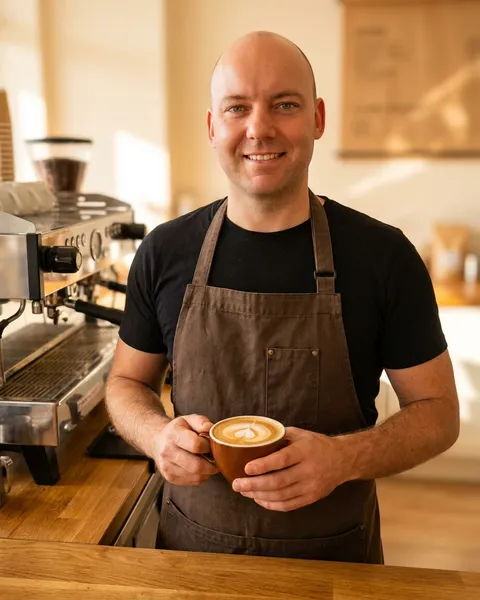
Petr Hess, Founder, chemical engineer. Petr Hess studied chemical engineering and loves exploring how substances act on the human body. Coffee is his favorite of them: he reads the studies on caffeine, enzymes and digestion, compares the spec sheets of machines and grinders, and brews more coffee than is strictly reasonable, so you can choose well and enjoy every cup. How we choose.
Keep reading
 Beans & subscriptionsThe Best Coffee Subscriptions for Fresh, Happy Mornings at HomeThe best coffee subscription for most people is Trade, which uses a short taste quiz to match you with coffees from more than 55 US roasters and lets you adjust or pause deliveries.
 Beans & subscriptionsThe Best Coffee Beans for Joyful Cups at HomeThe best coffee beans for most home brewers are Stumptown Hair Bender, a roast-dated specialty blend that works for espresso and filter.
 Beans & subscriptionsThe Best Espresso Beans for Sweet, Creamy Shots at HomeThe best espresso beans for most home baristas are Stumptown Hair Bender, a roast-dated specialty blend that pulls sweet, balanced shots.
 Coffee makersThe Best Coffee Makers With a Built-In Grinder for Fresh-Ground MorningsThe best coffee maker with grinder for most people is the Breville Grind Control, which pairs an adjustable burr grinder with a programmable brewer and thermal carafe.