The Best Espresso Beans for Sweet, Creamy Shots at Home
We may earn a commission when you buy through links on this page, at no extra cost to you. It never changes what we recommend. How we make money
Short answer
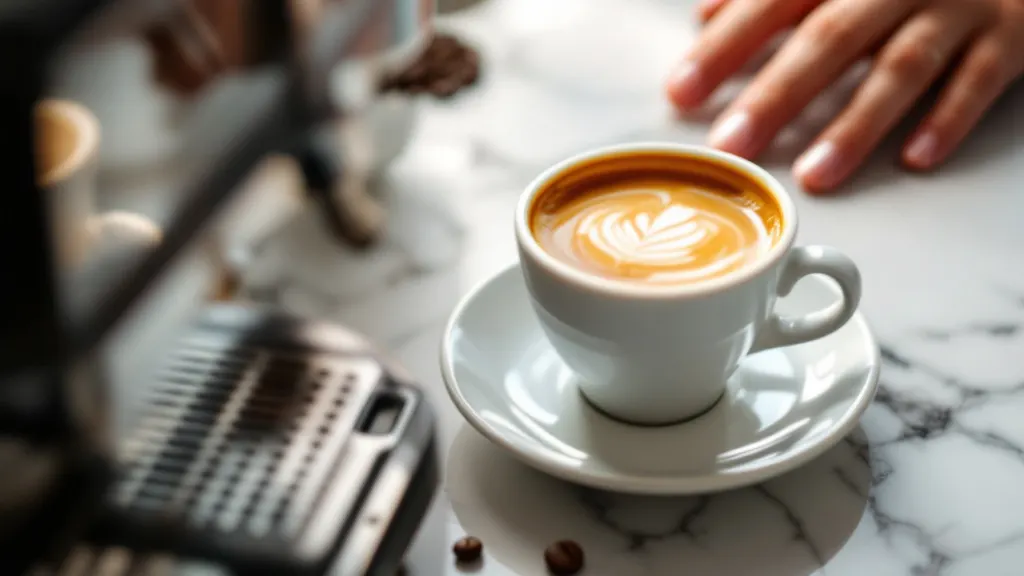
The best espresso beans for most home baristas are Stumptown Hair Bender, a roast-dated specialty blend that pulls sweet, balanced shots. Lavazza Super Crema is the best value for milk drinks and crema, illy Classico gives a smooth 100% arabica shot, and Kicking Horse Decaf is a solvent-free decaf for evening espresso.
Our top picks
- 1Best overallStumptown Hair Bender BlendA roast-dated specialty blend that is sweet, balanced and versatile.See on brand site
- 2Best for milk drinks and cremaLavazza Super Crema Whole BeanRobusta in the blend supports thick crema, in a 2.2 lb bag.See on brand site
- 3Best smooth 100% arabicailly Classico Whole Bean Medium RoastA medium roast arabica blend in a pressurized tin.See on brand site
- 4Best Italian-style blend in EuropeSegafredo Zanetti Intermezzo Whole BeanA dark, robusta-based blend with a low cost per kilogram in Europe.See on brand site
- 5Best decaf for espressoKicking Horse Decaf Dark Roast (Swiss Water)Swiss Water Process decaf, organic and Fairtrade.See on brand site
Barista tip
After you pull your first shot of a new bag, taste a spoonful of the espresso straight, then add a splash of warm milk to the rest. Many beans reveal a completely different side with milk: chocolate turns to caramel, sharp notes soften. Now you know whether this bag wants to be a straight shot or a cozy flat white.
A beautiful espresso shot is a tiny, concentrated celebration, and the beans decide most of its personality. The best espresso beans for most home baristas are Stumptown Hair Bender, a roast-dated specialty blend that is sweet and versatile. Lavazza Super Crema is the friendliest choice for milk drinks and thick crema, and illy Classico gives a smooth, 100% arabica shot. Here are five picks and how to choose the best coffee beans for espresso in your own kitchen.
How we chose
We did not run blind tastings of these coffees. We compared what each roaster publishes about blend, roast, origin and bag size 1, 2, 3, 45, favored beans that are widely sold for espresso, and flagged where details come from the brand itself. Price bands per bag: $ is under $15, $$ is $15 to $25 and $$$ is over $25.
The best espresso beans at a glance
- Best overall: Stumptown Hair Bender
- Best for milk drinks and crema: Lavazza Super Crema
- Best smooth 100% arabica: illy Classico Whole Bean
- Best Italian-style blend in Europe: Segafredo Intermezzo
- Best decaf for espresso: Kicking Horse Decaf (Swiss Water)
Best overall: Stumptown Hair Bender
Stumptown Hair Bender Blend
espresso blend $$
Best for: espresso and drip, specialty coffee starter
What we like
- Specialty roaster blend with roast date
- Versatile for espresso or filter
Keep in mind
- Pricier per ounce than supermarket brands
- Small 12 oz bag
- roast medium
- origin Central & South America, East Africa, Indonesia
- form whole
- bag g/oz 12 oz
Hair Bender is the bean we would hand to a new espresso machine owner. It blends coffees from Central and South America, East Africa and Indonesia, comes in 12 oz bags and carries a roast date 1. The blend is built to be versatile, so it pulls a lively, rounded shot and also tastes lovely in a flat white.
It costs more per ounce than supermarket blends, and a 12 oz bag goes quickly once you start dialing in. Think of it as a delicious teacher.
Best for milk drinks and crema: Lavazza Super Crema
Lavazza Super Crema Whole Bean
espresso blend $$
Best for: espresso machines, milk drinks with crema
What we like
- Big 2.2 lb bag keeps cost per cup low
- Robusta share supports crema
Keep in mind
- Robusta adds bitterness some drinkers dislike
- No roast date on supermarket-style packaging
- roast medium-light
- origin arabica + robusta blend (Lavazza global: Central America)
- form whole
- bag g/oz 2.2 lb (also 22 oz, 10.5 oz)
Super Crema is an espresso blend whose robusta share supports a thick, golden crema 2. It comes in a generous 2.2 lb bag (also 22 oz and 10.5 oz), which keeps the cost per shot low 2. It stands up well to milk, so lattes and cappuccinos taste rich rather than washed out.
Robusta adds bitterness that some people dislike in straight espresso, and there is no roast date on the supermarket-style bag. If you drink mostly milk drinks, it is a happy, budget-friendly match. Pair it with a machine from our best latte machine guide.
Best smooth 100% arabica: illy Classico Whole Bean
illy Classico Whole Bean Medium Roast
espresso/drip blend $$
Best for: smooth espresso, Italian-style coffee
What we like
- 100% arabica blend
- Pressurized tin; brand says flavor holds up to two years
Keep in mind
- Higher price per ounce than supermarket blends
- Pre-roasted stock, no roast date
- roast medium
- origin 100% arabica blend
- form whole
- bag g/oz 8.8 oz (250 g); 500 g also listed
illy Classico is a 100% arabica medium roast blend that many people associate with smooth, Italian-style espresso 3. It is packed in a pressurized tin, and illy says the flavor holds for up to two years before opening 3. Once opened, the beans still lose freshness, so choose an amount you can use promptly.
It is pre-roasted stock with no roast date and costs more per ounce than supermarket blends.
Best Italian-style blend in Europe: Segafredo Intermezzo
Segafredo Zanetti Intermezzo Whole Bean
Italian espresso blend $$
Best for: automatic espresso machines, Italian-style espresso on a budget
What we like
- Low cost per kg in Europe
- Robusta share gives full body and crema
Keep in mind
- Robusta-forward and bitter for some
- Hard to find in the US
- roast dark
- origin robusta base with South American arabica
- form whole
- bag g/oz 1 kg (also 500 g)
Intermezzo is a dark Italian espresso blend with a robusta base and South American arabica, sold in 1 kg and 500 g bags 4. The robusta gives full body and crema, and the cost per kilogram is low in Europe. It is a classic choice for automatic espresso machines.
It is robusta-forward, so it can taste bitter to arabica fans, and it is hard to find in the US. US readers will find Lavazza Super Crema a similar idea.
Best decaf for espresso: Kicking Horse Decaf
Kicking Horse Decaf Dark Roast (Swiss Water)
decaf $$
Best for: evening coffee, decaf drinkers who like dark roast
What we like
- Swiss Water Process, no solvents; brand states 99.9% caffeine removed
- Organic and Fairtrade
Keep in mind
- Dark roast only
- 10 oz bag is small
- roast dark
- origin Central & South America
- form whole
- bag g/oz 10 oz / 2.2 lb
- decaf process Swiss Water Process (chemical-free)
A good decaf lets you enjoy an after-dinner shot without the buzz. Kicking Horse Decaf is a dark roast from Central and South America, decaffeinated with the solvent-free Swiss Water Process; the brand states 99.9% of the caffeine is removed 5. It is certified organic and Fairtrade.
Decaf espresso is not fully caffeine-free: a lab study of decaf espresso from coffee shops found 3.0 to 15.8 mg of caffeine per shot 6. For most people that is a small amount. Our best decaf coffee guide has more options.
Compare the espresso beans
| Model | Stumptown Hair Bender Blend | Lavazza Super Crema Whole Bean | illy Classico Whole Bean Medium Roast | Segafredo Zanetti Intermezzo Whole Bean | Kicking Horse Decaf Dark Roast (Swiss Water) |
|---|---|---|---|---|---|
| Price | $$ | $$ | $$ | $$ | $$ |
| Type | espresso blend | espresso blend | espresso/drip blend | Italian espresso blend | decaf |
| roast | medium | medium-light | medium | dark | dark |
| origin | Central & South America, East Africa, Indonesia | arabica + robusta blend (Lavazza global: Central America) | 100% arabica blend | robusta base with South American arabica | Central & South America |
| form | whole | whole | whole | whole | whole |
| bag g/oz | 12 oz | 2.2 lb (also 22 oz, 10.5 oz) | 8.8 oz (250 g); 500 g also listed | 1 kg (also 500 g) | 10 oz / 2.2 lb |
| decaf process | – | – | – | – | Swiss Water Process (chemical-free) |
| See on brand site | See on brand site | See on brand site | See on brand site | See on brand site |
What makes beans good for espresso?
Here is a little secret: there is no special "espresso bean." Any coffee can be brewed as espresso. Beans sold as espresso are usually blends and roasts that taste balanced when concentrated under pressure, with enough sweetness and body to shine on their own and through milk.
Roast level
Medium to medium-dark roasts are the classic choice. They extract easily, give sweetness and body, and are forgiving while you dial in. Light roasts can make bright, fruity espresso, but they are harder to extract and usually need a finer grind and more patience. Dark roasts are bold and easy but can taste smoky or bitter. Our light roast vs dark roast guide goes deeper.
Arabica, robusta or a blend
100% arabica blends like illy Classico lean smooth and aromatic. Blends with some robusta, like Super Crema and Intermezzo, add body, crema and bitterness. Neither is better; it depends on whether you love straight shots or milk drinks. Our arabica vs robusta guide explains the two species.
Freshness
Look for a roast date when you can. Very fresh beans can make shots gush and foam, while old beans make flat, thin shots with little crema. Some roasters suggest letting espresso beans rest for a few days after roasting; check the bag for their advice. Store beans airtight and grind just before each shot.
Single origin or blend?
Blends are the traditional backbone of espresso because roasters can combine coffees to balance sweetness, body and acidity, and keep the taste steady from bag to bag. Single-origin espresso is more of an adventure: one farm or region, often brighter and more distinctive, sometimes a little harder to dial in. If you are new to espresso, start with a blend like Hair Bender, learn what a good shot tastes like, then treat yourself to a single origin and taste the difference side by side.
Whole bean only
Buy whole beans for espresso. Espresso is the most grind-sensitive brew method, and pre-ground coffee is rarely ground fine and fresh enough for a home machine without a pressurized basket. Grinding just before each shot keeps aroma bright and gives you the control you need.
How much caffeine is in an espresso?
Less than many people think, per shot. USDA data list espresso at 212 mg of caffeine per 100 g, which works out to about 63 mg in a 1 fl oz single shot 7. The European Food Safety Authority gives about 80 mg for a 60 mL espresso 8. Real shots vary with dose, beans and how long the shot runs; in coffee-shop espresso, grind variability alone changed caffeine per cup from about 80 to 130 mg at one grinder setting 9.
Good news for cholesterol watchers: espresso contained about 1 mg of cafestol per cup in one analysis, compared with roughly 5 to 7 mg in boiled and Turkish coffee 10. Cafestol and its cousin kahweol are the coffee compounds that raise LDL cholesterol in unfiltered brews, and paper filters hold them back 11.
Dial in your new beans in five steps
New beans deserve a fresh start. Each bag behaves a little differently, so expect to adjust.
- Keep your dose steady. Use the same weight of coffee each time.
- Start at your usual grind setting. Pull a shot and taste.
- Too fast and sour? Grind finer. Too slow and bitter? Grind coarser. Grind setting is the biggest lever: in one study it explained 87 to 96% of the variance in espresso results 9.
- Watch for clumps. A tiny spritz of water on the beans before grinding reduced clumping and raised espresso concentration by at least 15% for darker roasts in one study 12.
- Write down the winner. Note the setting on the bag, and the next bag of the same coffee starts from there.
Our how to make espresso guide covers the full routine, and our best espresso grinder guide helps if your grinder cannot go fine enough. Still choosing a machine? Start with our best espresso machine for beginners picks.
Who should skip these picks?
If you only drink lattes once in a while, a value blend like Super Crema is all you need, and the specialty picks may be more than you will notice. If you love fruity, light espresso, look for a single-origin light roast from a local roaster, or try a rotating plan from our best coffee subscription guide. If caffeine keeps you up, keep a bag of decaf for afternoons.
Not sure yet? Try the free tool
Bean MatchPick the flavors you enjoy, your brewer and how your stomach handles coffee. Get your roast, origins and processing, plus beans and subscriptions to try.Price bands: $ under $100 · $$ $100–299 · $$$ $300–799 · $$$$ $800–1,999 · $$$$$ $2,000+. Prices change, so check the retailer.
When to talk to a doctor
If you are pregnant, sensitive to caffeine or managing cholesterol, ask your doctor how much coffee suits you.
Frequently asked questions
What is the difference between espresso beans and coffee beans?
There is no separate espresso species. Espresso beans are regular coffee beans, usually blended and roasted to taste balanced when brewed under pressure. Many are medium to medium-dark roasts with good sweetness and body. You can pull espresso from any beans, and you can brew espresso beans as drip or French press too; the label is a recommendation, not a rule.
Are dark roast beans best for espresso?
Not necessarily. Dark roasts are easy to extract and taste bold, which makes them forgiving, but they can turn smoky or bitter. Medium and medium-dark roasts are the classic sweet spot for balanced, sweet espresso. Light roasts can be bright and fruity but need a finer grind and more care. Start medium, then explore.
Why does my espresso have no crema?
Common causes are stale beans, a grind that is too coarse, or a dose that is too low. Fresh beans with a roast date usually make more crema, and blends with some robusta, such as Lavazza Super Crema, tend to produce a thicker layer. Grind a little finer, weigh your dose, and use beans within a few weeks of opening.
How much caffeine is in a shot of espresso?
USDA data work out to about 63 mg in a 1 fl oz single shot, and EFSA gives about 80 mg for a 60 mL espresso. Real shots vary with dose, beans and extraction. A double shot roughly doubles it. Decaf espresso still contains a little caffeine; one lab study measured 3.0 to 15.8 mg per shot.
Can I use espresso beans in a drip coffee maker?
Yes. Espresso beans are simply coffee beans roasted and blended with espresso in mind. In a drip machine, grind them medium and brew as usual. Darker espresso blends make a rich, bold drip cup, and blends with robusta will taste heavier and more bitter. It is a great way to use up a bag you did not love as espresso.
Sources
We link to the original studies and official pages so you can check every claim.
- Stumptown Coffee Roasters. Hair Bender blend product page. stumptowncoffee.com.
- Lavazza. Super Crema whole bean coffee product page. lavazzausa.com.
- illy. Whole Bean Classico Coffee, Medium Roast product page. illy.com.
- Segafredo Zanetti. Caffè Intermezzo whole bean product page. segafredo.it.
- Kicking Horse Coffee. Decaf dark roast (Swiss Water Process) product page. kickinghorsecoffee.com.
- McCusker RR, Fuehrlein B, Goldberger BA et al. (2006). Caffeine content of decaffeinated coffee. J Anal Toxicol.
- USDA Agricultural Research Service. Beverages, coffee, brewed, espresso, restaurant-prepared (FDC ID 171891). USDA FoodData Central.
- European Food Safety Authority. Caffeine (topic page). EFSA website.
- Severini C, Derossi A, Fiore AG et al. (2015). How the variance of some extraction variables may affect the quality of espresso coffees served in coffee shops. J Sci Food Agric.
- Gross G, Jaccaud E, Huggett AC (1997). Analysis of the content of the diterpenes cafestol and kahweol in coffee brews. Food Chem Toxicol.
- Urgert R, Katan MB (1997). The cholesterol-raising factor from coffee beans. Annu Rev Nutr.
- Harper JM, Bumbaugh RE, Hendon CH (2024). Strategies to mitigate electrostatic charging during coffee grinding. iScience.
About the author
Petr Hess, Founder, chemical engineer. Petr Hess studied chemical engineering and loves exploring how substances act on the human body. Coffee is his favorite of them: he reads the studies on caffeine, enzymes and digestion, compares the spec sheets of machines and grinders, and brews more coffee than is strictly reasonable, so you can choose well and enjoy every cup. How we choose.
Keep reading
 Beans & subscriptionsThe Best Decaf Coffee: Full Flavor, Gentle EveningsThe best decaf coffee for most people is a fresh, whole-bean Swiss Water decaf such as Kicking Horse Decaf, which is organic, Fairtrade and decaffeinated without added chemicals.
 Beans & subscriptionsThe Best Low Acid Coffee for Smooth, Happy MorningsTo find the best low acid coffee for you, consider a dark roast, which stimulated less stomach acid in one human study, or cold brew, which had lower titratable acidity in lab comparisons.
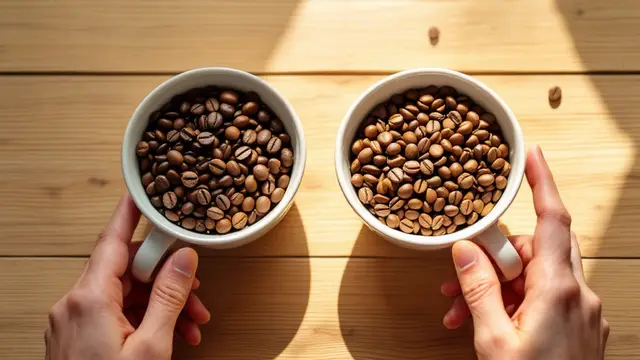 Beans & subscriptionsArabica vs Robusta: Two Coffee Species, Two Kinds of JoyArabica vs robusta comes down to taste and caffeine.
 Coffee makersThe Best Nespresso Machines, From Tiny Espresso Makers to Latte Art StarsThe best Nespresso machine for most people is the Vertuo Pop+, which brews espresso and mug sizes from barcoded capsules with a 1.1 L tank.