Beans & subscriptions
Coffee beans and subscriptions: taste more, guess less
Origin, roast, process and freshness decide flavor. Learn what each label means, find beans for your brewer and your stomach, and see which subscriptions are worth it.
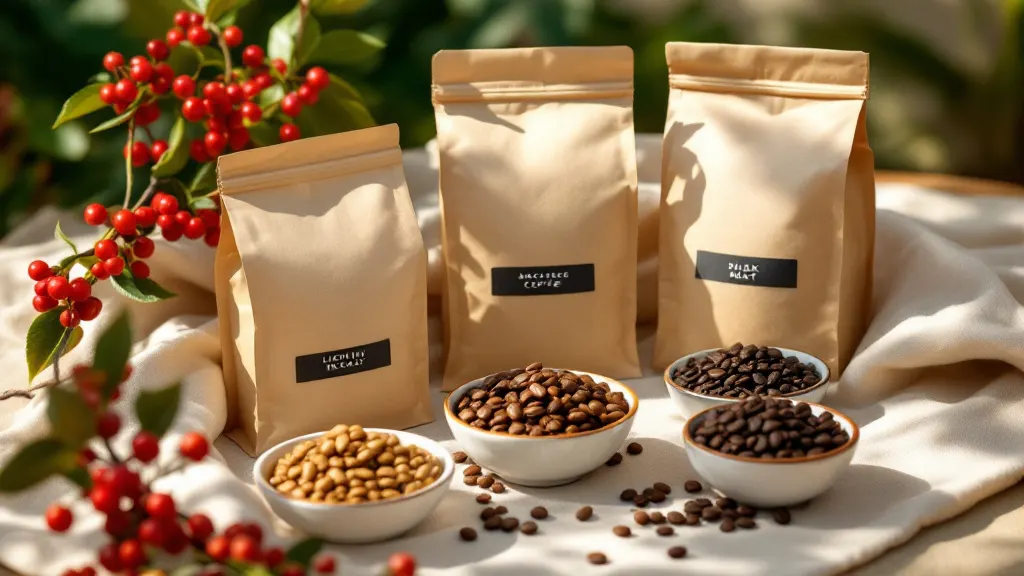
Guides
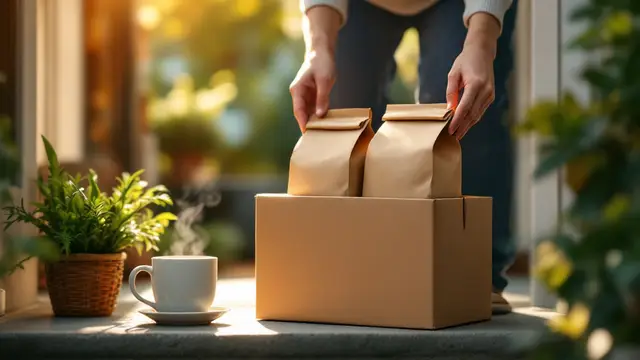 Beans & subscriptionsThe Best Coffee Subscriptions for Fresh, Happy Mornings at HomeThe best coffee subscription for most people is Trade, which uses a short taste quiz to match you with coffees from more than 55 US roasters and lets you adjust or pause deliveries.
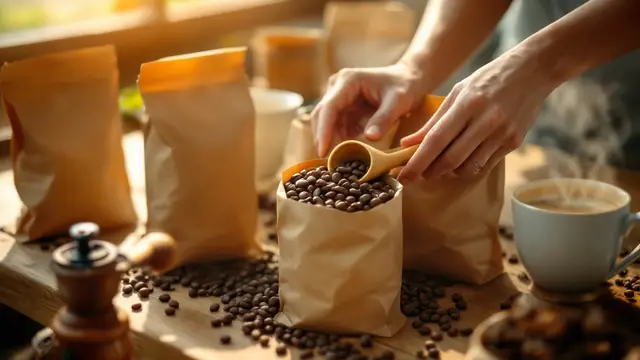 Beans & subscriptionsThe Best Coffee Beans for Joyful Cups at HomeThe best coffee beans for most home brewers are Stumptown Hair Bender, a roast-dated specialty blend that works for espresso and filter.
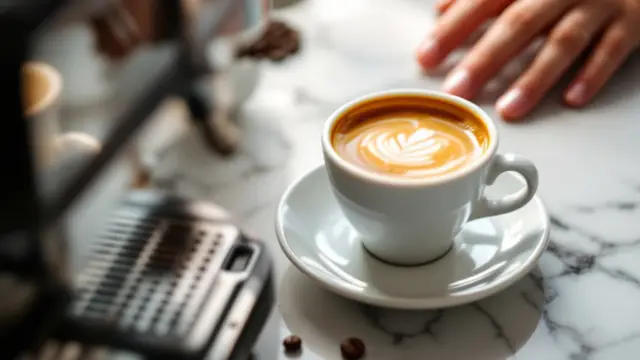 Beans & subscriptionsThe Best Espresso Beans for Sweet, Creamy Shots at HomeThe best espresso beans for most home baristas are Stumptown Hair Bender, a roast-dated specialty blend that pulls sweet, balanced shots.
 Beans & subscriptionsThe Best Decaf Coffee: Full Flavor, Gentle EveningsThe best decaf coffee for most people is a fresh, whole-bean Swiss Water decaf such as Kicking Horse Decaf, which is organic, Fairtrade and decaffeinated without added chemicals.
 Beans & subscriptionsThe Best Low Acid Coffee for Smooth, Happy MorningsTo find the best low acid coffee for you, consider a dark roast, which stimulated less stomach acid in one human study, or cold brew, which had lower titratable acidity in lab comparisons.
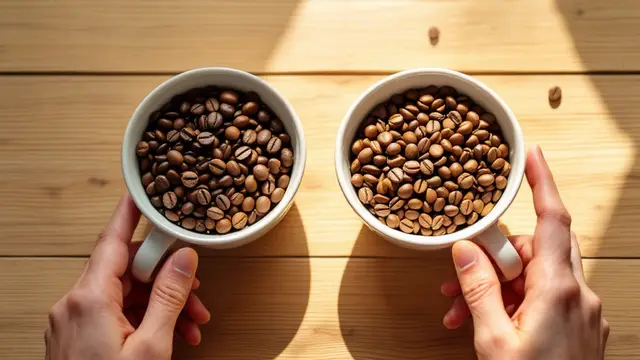 Beans & subscriptionsArabica vs Robusta: Two Coffee Species, Two Kinds of JoyArabica vs robusta comes down to taste and caffeine.
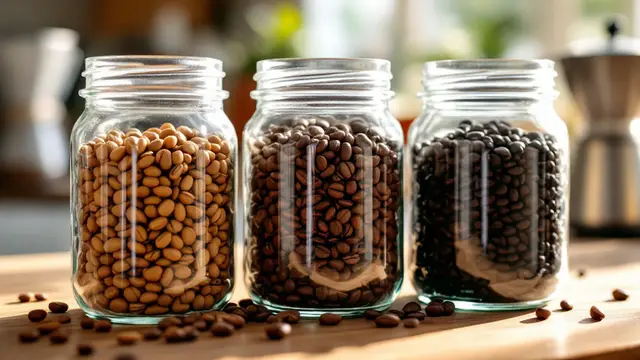 Beans & subscriptionsLight Roast vs Dark Roast: Find Your Happy CupLight roast vs dark roast is mostly about flavor: light roasts taste bright and fruity and keep more chlorogenic acids, while dark roasts taste bold and cocoa-like with more body.
How to choose coffee beans you will love
Flavor comes from four things on the label: origin, roast level, processing and freshness. Once you know what each one means, choosing beans feels less like guessing and more like discovering.
Roast level and origin
Light roasts keep more of the origin's character, with fruity, floral and bright notes that shine in pour-over. Medium roasts balance sweetness and gentle acidity and work almost anywhere. Darker roasts bring chocolate, toffee and a fuller body, lovely in espresso and milk drinks. Light roast vs dark roast explains the differences. Origin adds its own accent: Brazil and Colombia lean nutty and sweet, Ethiopia and Kenya fruity and floral. Most specialty beans are Arabica; Arabica vs Robusta covers how the two species differ.
Freshness and buying tips
- Buy whole beans with a roast date, not only a best-before date.
- Choose bag sizes you will finish within a few weeks, and store them airtight away from light and heat.
- Grind just before brewing for the fullest aroma.
- Try two bags side by side, one familiar and one a step away. Tasting them together teaches your palate quickly.
Beans for your brewer and your body
For shots, see the best espresso beans; for an all-round shortlist, the best coffee beans. If coffee sometimes upsets your stomach, our low-acid coffee guide explains what helps and where the evidence is mixed. Evening coffee lovers will enjoy the best decaf coffee. Want a personal starting point? Bean Match turns your favorite flavors, brewer and milk habits into a roast level, origins and processing to try.
Frequently asked questions
How do I choose good coffee beans?
Start with your brewer and the flavors you enjoy. Choose a medium roast if you are unsure, a lighter roast for fruity pour-over, and a darker roast for espresso with milk. Look for a recent roast date and whole beans, and buy small bags so you can try several origins over time.
How long do coffee beans stay fresh?
Whole beans taste best within a few weeks of the roast date when stored airtight, away from light, heat and moisture. Ground coffee fades much faster because more surface is exposed to air. Many roasters suggest letting very fresh beans rest a few days before brewing, especially for espresso.
Is Arabica better than Robusta?
Arabica usually tastes sweeter and more complex, which is why most specialty coffee uses it. Robusta is more bitter and has more caffeine, but it adds body and crema, so some espresso blends include a little. Better depends on your taste and how you brew.
Are coffee subscriptions worth it?
A subscription is worth it if you enjoy variety and want fresh beans delivered regularly. Good services let you set your roast level, grind and delivery rhythm and pause anytime. If you already love one bag from a local roaster, buying direct may suit you better. Our subscription guide compares options.