Arabica vs Robusta: Two Coffee Species, Two Kinds of Joy
Short answer
Arabica vs robusta comes down to taste and caffeine. Arabica is sweeter and more aromatic, with more sugar and oils. Robusta is bolder and more bitter, with more caffeine and chlorogenic acids, and it builds thick espresso crema. Pick arabica for filter and black coffee, a robusta blend for strong espresso.
Barista tip
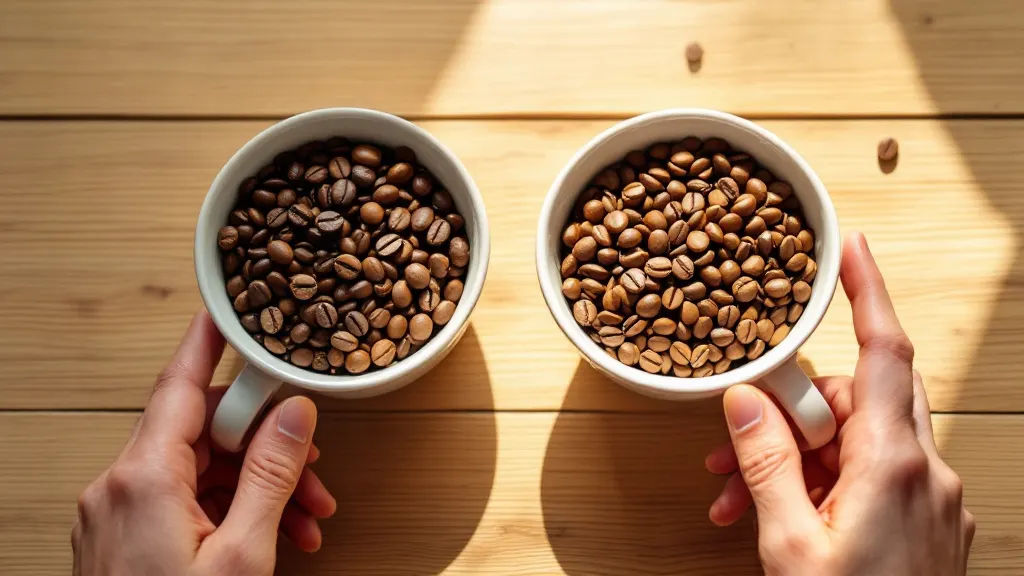
Host a tiny tasting at home. Brew a 100% arabica and a robusta blend side by side with the same brewer, same grind and same ratio, then sip each black before adding milk. Notice sweetness, bitterness and body. You will instantly know which one makes you smile, and that knowledge will guide every bag you buy from now on.
Arabica vs robusta is the first big fork in the coffee world, and once you know it, every bag on the shelf starts to make sense. Here is the friendly version, backed by lab studies, with a few bags that show each style at its best.
Arabica vs robusta at a glance
Arabica (Coffea arabica) and robusta (Coffea canephora) are two different coffee species 1, 2. In the lab they differ in several clear ways:
| Arabica | Robusta | |
|---|---|---|
| Caffeine | Lower | Higher 3, 1, 4 |
| Chlorogenic acids and total phenolics | Lower | Higher 3, 1, 4 |
| Sugar (sucrose) and oil | Higher 3 | Lower 3 |
| Trigonelline | Higher 1 | Lower 1 |
| Magnesium in the brew | Higher 4 | Lower 4 |
| Typical use | Specialty single origins, filter, espresso | Italian-style espresso blends, high-caffeine blends |
In short: arabica tends to bring sweetness and aromatic complexity, robusta brings more caffeine, more body and a bolder, more bitter edge. Neither is "better". They are different tools, and plenty of delicious coffee uses both.
Where each one grows
Brazil is the giant of both. The USDA forecasts Brazil's 2026/27 crop at a record 71.9 million 60 kg bags, made up of 47.5 million bags of arabica and 24.4 million bags of robusta, close to 40% of world production 5. Vietnam, the second-largest producer, grows mostly robusta, while Colombia grows arabica 5. Ethiopia, where arabica comes from, had a record harvest too 5.
That geography shows up on the shelf: many Italian-style espresso blends include robusta for body and crema, while specialty single origins are usually arabica. Curious which countries drink the most? See which country drinks the most coffee.
Robusta caffeine: how much more?
This is the question most people come for. Every study we checked found more caffeine in robusta than in arabica, in green beans, roasted beans and brewed cups alike 3, 1, 4. In one study of 18 coffees, both the brewing method and the species clearly changed caffeine in the cup, while roast level and origin did not 4.
We are not giving you a single "robusta has X times more" figure, because caffeine varies a lot by species, origin and even from bean to bean in the same batch 6. The practical takeaway is simple: a robusta-heavy blend gives you a noticeably stronger kick per cup.
If you are watching your intake, keep the FDA's guide of up to 400 mg a day for most healthy adults in mind 7, and read our guide to how much caffeine is too much.
Is arabica healthier than robusta?
Robusta's higher chlorogenic acid and phenolic content gives its brews higher antioxidant activity in lab tests 1. On the other hand, one study found arabica has a better ratio of compounds like chlorogenic acids, trigonelline and choline to caffeine 8. These are lab measurements of the drink, not health outcomes in people, so choose by taste and caffeine tolerance. Both are simply coffee.
Taste: what you will notice
- Arabica tends to taste sweeter and more aromatic, with flavors that range from chocolate and nuts to berries and flowers depending on origin and roast. The extra sucrose and oils help explain the sweetness and silky texture 3.
- Robusta tastes stronger and more bitter, often described as woody, earthy or like dark chocolate. In one sensory study, robusta brews were rated more astringent 3. The upside: big body and a thick, long-lasting crema in espresso.
A good robusta can be lovely. A cheap one can be harsh. The same is true for arabica, which is why freshness and roasting matter as much as species.
Why roasters blend the two
Blending is where the two species become friends. A roaster can use arabica for sweetness and aroma, then add a portion of robusta for body, crema and a stronger kick. Researchers play with the same idea. In one study, researchers used a robusta rich in phenolic compounds to build reduced-caffeine blends that still kept strong antioxidant properties 3. In another, a spray-dried (instant-style) coffee made from 35% green arabica and 65% medium-roasted robusta had the highest phenolic content and antioxidant activity of the blends tested, and its brew got the best overall liking score 9.
Those are single studies with specific coffees, so they are not a recipe for every bag. They do show something every barista knows: the right blend can be more delicious than either species alone. When you see a blend that lists, say, "80% arabica, 20% robusta", you now know what each part is doing. More arabica pushes the cup toward sweetness and aroma; more robusta pushes it toward body, bitterness and caffeine.
A fun way to explore this is to buy one pure arabica and one blend from the same roaster. The roast style stays similar, so the species difference stands out clearly.
Coffees that show the difference
These bags make a fun side-by-side tasting. We have not tasted them hands-on for this guide; details come from the makers' pages and our catalog.
illy Classico: the 100% arabica benchmark
illy Classico is a 100% arabica blend in a medium roast, sold as whole beans in a pressurized tin 10. illy says the pressurization keeps the flavor for up to two years. It is a smooth, classic reference point for what arabica espresso tastes like.
illy Classico Whole Bean Medium Roast
espresso/drip blend $$
Best for: smooth espresso, Italian-style coffee
What we like
- 100% arabica blend
- Pressurized tin; brand says flavor holds up to two years
Keep in mind
- Higher price per ounce than supermarket blends
- Pre-roasted stock, no roast date
- roast medium
- origin 100% arabica blend
- form whole
- bag g/oz 8.8 oz (250 g); 500 g also listed
Lavazza Super Crema: the friendly blend
Lavazza Super Crema blends arabica and robusta 11. The robusta share supports a rich crema, which is why it is a favorite for home espresso machines and milk drinks. It comes in a big 2.2 lb bag that keeps cost per cup low. Some drinkers find the robusta bitterness noticeable.
Lavazza Super Crema Whole Bean
espresso blend $$
Best for: espresso machines, milk drinks with crema
What we like
- Big 2.2 lb bag keeps cost per cup low
- Robusta share supports crema
Keep in mind
- Robusta adds bitterness some drinkers dislike
- No roast date on supermarket-style packaging
- roast medium-light
- origin arabica + robusta blend (Lavazza global: Central America)
- form whole
- bag g/oz 2.2 lb (also 22 oz, 10.5 oz)
Death Wish Coffee: the high-caffeine robusta blend
Death Wish Dark Roast blends arabica and robusta from India, Peru and South and Central America, is USDA Organic and Fair Trade, and the brand states about 180 mg of caffeine per 6 oz brewed cup 12. That is the robusta effect in action. It is too strong for caffeine-sensitive drinkers.
Death Wish Coffee Dark Roast Whole Bean
high-caffeine dark roast $$
Best for: high caffeine, dark roast fans
What we like
- Brand states about 180 mg caffeine per 6 oz brewed
- Organic and Fair Trade
Keep in mind
- Robusta-heavy taste can be bitter
- Too strong for caffeine-sensitive drinkers
- roast dark
- origin arabica + robusta; India, Peru, South & Central America
- form whole
- bag g/oz 16 oz
Segafredo Intermezzo: the Italian bar style
Segafredo Intermezzo is a dark, robusta-based blend with South American arabica, sold in 1 kg and 500 g bags and mainly found in Europe. It is a budget-friendly way to taste the full-bodied style of many Italian espresso bars, though it is hard to find in the US.
Segafredo Zanetti Intermezzo Whole Bean
Italian espresso blend $$
Best for: automatic espresso machines, Italian-style espresso on a budget
What we like
- Low cost per kg in Europe
- Robusta share gives full body and crema
Keep in mind
- Robusta-forward and bitter for some
- Hard to find in the US
- roast dark
- origin robusta base with South American arabica
- form whole
- bag g/oz 1 kg (also 500 g)
| Model | illy Classico Whole Bean Medium Roast | Lavazza Super Crema Whole Bean | Death Wish Coffee Dark Roast Whole Bean | Segafredo Zanetti Intermezzo Whole Bean |
|---|---|---|---|---|
| Price | $$ | $$ | $$ | $$ |
| Type | espresso/drip blend | espresso blend | high-caffeine dark roast | Italian espresso blend |
| roast | medium | medium-light | dark | dark |
| origin | 100% arabica blend | arabica + robusta blend (Lavazza global: Central America) | arabica + robusta; India, Peru, South & Central America | robusta base with South American arabica |
| form | whole | whole | whole | whole |
| bag g/oz | 8.8 oz (250 g); 500 g also listed | 2.2 lb (also 22 oz, 10.5 oz) | 16 oz | 1 kg (also 500 g) |
| See on brand site | See on brand site | See on brand site | See on brand site |
Which should you buy?
Choose arabica if you:
- Brew pour-over, drip, AeroPress or French press and love tasting origin flavors.
- Prefer a sweeter, softer cup, or drink coffee black.
- Want to keep caffeine moderate.
Choose a robusta blend if you:
- Make espresso at home and want thick crema and big body under milk. See how to make espresso.
- Like a bold, bitter-chocolate cup with sugar or milk.
- Want more caffeine per cup.
Still unsure? Try one of each with the same brewer and compare. It is the quickest coffee education you can buy, and a happy weekend ritual. Our best espresso beans and best coffee beans guides go deeper, and light roast vs dark roast explains the other big flavor dial.
How to read a coffee label
- "100% arabica" means no robusta. It says nothing about quality on its own, so look for a roast date and origin too.
- "Blend" without species often includes robusta, especially in Italian-style espresso bags. Check the back of the pack or the brand's website.
- "Strong" or "extra caffeine" usually signals robusta.
- Species swaps happen. Mixing cheaper robusta into "arabica" is a known problem in the coffee trade, and labs can tell the species apart by their caffeine and chlorogenic acid levels with high accuracy 2. Buying from roasters who name their farms or regions is your best protection.
Brewing tips for each
Arabica single origins shine with a medium grind for pour-over and water just off the boil, around 92 to 96 °C (198 to 205 °F). Robusta blends love espresso and moka pots; their body stands up beautifully to milk. If a robusta blend tastes harsh, try a slightly coarser grind or shorter shot, and add a splash of milk. You can find more ideas in our guide to types of coffee drinks.
When to talk to a doctor
Robusta blends generally contain more caffeine than arabica at the same dose and brew method; if you are pregnant, have a heart rhythm condition, are sensitive to caffeine or take medication, check your total daily intake with your doctor.
Frequently asked questions
Does robusta have more caffeine than arabica?
Yes. Every study we checked measured more caffeine in robusta, in green beans, roasted beans and brewed coffee. The exact amount varies widely by origin and even between beans in the same batch, so there is no reliable single multiplier. If you want a stronger kick, pick a robusta-heavy blend; if you are sensitive to caffeine, choose 100% arabica.
Which tastes better, arabica or robusta?
It depends on what you love. Arabica usually tastes sweeter and more aromatic, with fruity, floral or chocolate notes. Robusta tastes stronger and more bitter, with an earthy, dark chocolate character and big body. Many people prefer arabica black, while robusta blends shine as espresso with milk.
Is 100% arabica coffee better?
Not automatically. 100% arabica means no robusta, but freshness, origin and roasting quality matter just as much. A stale arabica can taste worse than a fresh, well-roasted robusta blend. Look for a roast date and clear origin information on the bag, whichever species you choose.
Why do Italian espresso blends use robusta?
Robusta adds body, bitterness and a thick, long-lasting crema, which suits short espresso shots and milk drinks. That is why many Italian-style blends, such as Lavazza Super Crema or Segafredo Intermezzo, include robusta. It also raises the caffeine per cup.
Is robusta coffee bad for you?
No. Robusta is simply a different coffee species. It contains more caffeine and more chlorogenic acids than arabica, and its brews show higher antioxidant activity in lab tests. The main thing to watch is your total caffeine intake, which the FDA suggests keeping under about 400 mg a day for most healthy adults.
Sources
We link to the original studies and official pages so you can check every claim.
- Alves RC et al. (2010). Antiradical activity, phenolics profile, and hydroxymethylfurfural in espresso coffee: influence of technological factors. J Agric Food Chem.
- Adnan A et al. (2020). Reliable Discrimination of Green Coffee Beans Species: A Comparison of UV-Vis-Based Determination of Caffeine and Chlorogenic Acid with Non-Targeted Near-Infrared Spectroscopy. Foods.
- Šeremet D et al. (2022). Antioxidant and Sensory Assessment of Innovative Coffee Blends of Reduced Caffeine Content. Molecules.
- Sijko-Szpańska M et al. (2025). Influence of Brewing Methods on the Bioactive and Mineral Composition of Coffee Beverages. Molecules.
- USDA Foreign Agricultural Service (2026). Coffee: World Markets and Trade (July 2026). USDA FAS circular.
- Caporaso N et al. (2018). Non-destructive analysis of sucrose, caffeine and trigonelline on single green coffee beans by hyperspectral imaging. Food Res Int.
- U.S. Food and Drug Administration. Spilling the Beans: How Much Caffeine is Too Much?. FDA Consumer Update.
- Ciaramelli C et al. (2018). Coffee variety, origin and extraction procedure: Implications for coffee beneficial effects on human health. Food Chem.
- Wongsa P et al. (2019). Quality and bioactive compounds of blends of Arabica and Robusta spray-dried coffee. Food Chem.
- illy. Whole Bean Classico Coffee, Medium Roast product page. Official website.
- Lavazza. Super Crema whole bean product page. Official website.
- Death Wish Coffee. Death Wish Coffee Dark Roast product page. Official website.
About the author
Petr Hess, Founder, chemical engineer. Petr Hess studied chemical engineering and loves exploring how substances act on the human body. Coffee is his favorite of them: he reads the studies on caffeine, enzymes and digestion, compares the spec sheets of machines and grinders, and brews more coffee than is strictly reasonable, so you can choose well and enjoy every cup. How we choose.
Keep reading
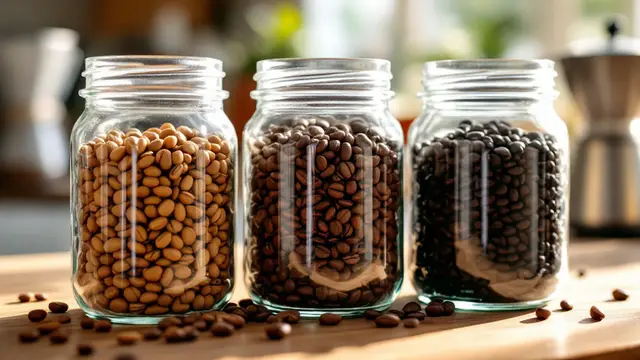 Beans & subscriptionsLight Roast vs Dark Roast: Find Your Happy CupLight roast vs dark roast is mostly about flavor: light roasts taste bright and fruity and keep more chlorogenic acids, while dark roasts taste bold and cocoa-like with more body.
 Beans & subscriptionsThe Best Coffee Subscriptions for Fresh, Happy Mornings at HomeThe best coffee subscription for most people is Trade, which uses a short taste quiz to match you with coffees from more than 55 US roasters and lets you adjust or pause deliveries.
 Beans & subscriptionsThe Best Coffee Beans for Joyful Cups at HomeThe best coffee beans for most home brewers are Stumptown Hair Bender, a roast-dated specialty blend that works for espresso and filter.
 GrindersThe Best Manual Coffee Grinders for Fresh, Fragrant Coffee AnywhereThe best manual coffee grinder for most people is the 1Zpresso K-Ultra, with an external adjustment ring at 20 microns per click and a 35 to 40 g capacity.