The Best Low Acid Coffee for Smooth, Happy Mornings
We may earn a commission when you buy through links on this page, at no extra cost to you. It never changes what we recommend. How we make money
Short answer
To find the best low acid coffee for you, consider a dark roast, which stimulated less stomach acid in one human study, or cold brew, which had lower titratable acidity in lab comparisons. Neither is proven to relieve reflux. Lifeboost and Puroast sell coffees labeled low acid, but those claims are the brands' own.
Our top picks
- 1Best organic single origin (brand-claimed low acid)Lifeboost Grata Medium RoastUSDA Organic single-origin Nicaraguan coffee with a brand low-acid claim.See on brand site
- 2Best value bulk bag (brand-claimed low acid)Puroast Low Acid House Blend Whole BeanA large 2.5 lb bag for daily drinkers who want a coffee sold as low acid.See on brand site
- 3Best dark roast to try firstKicking Horse Kick Ass Dark RoastOrganic, Fairtrade dark roast, the roast style with the best human data for gentler stomach acid.See on brand site
- 4Best for large batches of cold brewToddy Cold Brew System (Home, THM)Big-batch cold brew concentrate, and cold brew carries fewer titratable acids than hot coffee.See on brand site
Barista tip
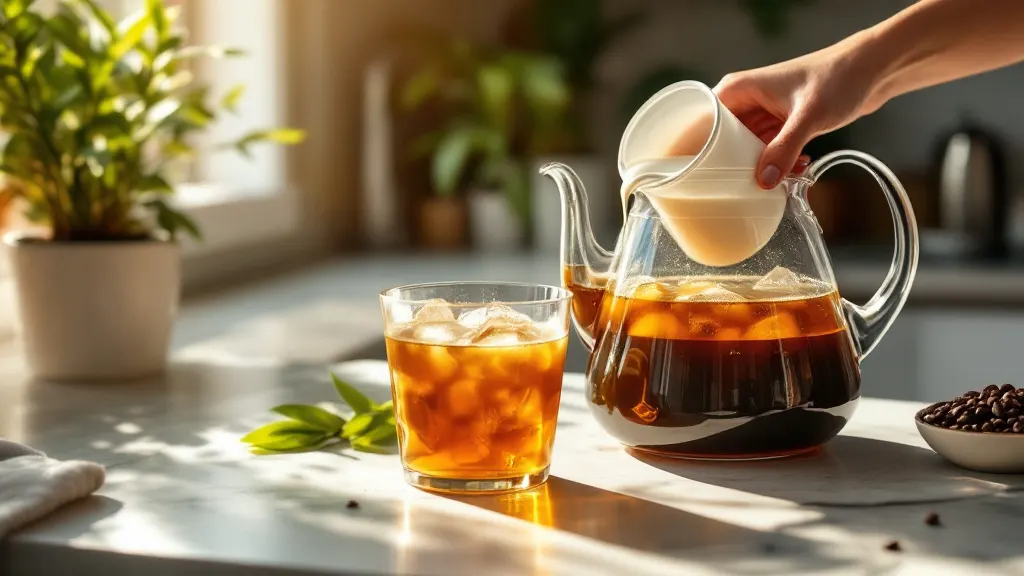
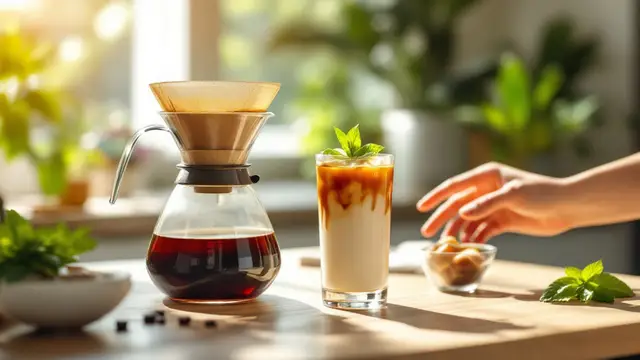
Make a gentle weekend batch: coarsely grind a dark roast, stir it into cold water in your cold brew maker and leave it in the fridge overnight. In the morning, dilute the concentrate about one to one with water or milk and pour over ice, or warm it gently for a smooth hot cup. You keep the deep chocolate notes and lose much of the sharp edge.
How we chose
We looked at every low-acid and dark-roast option in our product catalog, read the makers' official product pages, and checked each "low acid" claim against what the science can and cannot support. We did not taste or lab-test these coffees hands-on. Where a "low acid" label is the brand's own claim and not independently verified, we say so plainly. We also included one cold brew system, because brewing method turns out to matter as much as the bean.
What "low acid coffee" really means
"Acid" gets used for three different things, and untangling them makes shopping much easier:
- Taste acidity. The bright, juicy, fruity sparkle in a light roast Kenyan or Ethiopian coffee. Lovely for some, too sharp for others.
- Measured acidity. Brewed coffee is mildly acidic. In one study of light roasts, hot and cold brew samples all landed between pH 4.85 and 5.13 1. Titratable acidity, the total amount of acids in the cup, varied more than pH did 1.
- What happens in your stomach. Coffee stimulates your own stomach acid. That effect is driven by several coffee compounds, and caffeine alone does not explain it 2.
So a coffee can taste smooth and still nudge your stomach, or taste bright yet sit fine with you. The best low acid coffee for you depends on which of these three you care about.
The science in one paragraph
In human volunteers, a dark roast blend that was richer in N-methylpyridinium (a compound formed during roasting) and lower in chlorogenic acids stimulated less stomach acid than a medium roast market blend 3. In cell studies, caffeine pushed acid secretion up while N-methylpyridinium and chlorogenic acid pushed it down 4. Chlorogenic acids slowly break down as roasting continues past first crack 5. That is one controlled study plus lab work, so treat it as a promising lead rather than a guarantee. Still, it supports a simple, practical idea: darker roasts are a sensible first try if coffee bothers your stomach.
Our picks for the best low acid coffee
Lifeboost Grata Medium Roast: best organic single origin (brand-claimed low acid)
Lifeboost Grata is a USDA Organic, single-origin coffee from Nicaragua, sold as whole beans or ground in 12 oz bags 6. The brand claims low acidity and third-party testing for toxins 6. We could not find independent data confirming the low-acid claim, so think of it as a gentle, medium roast single origin with a strong focus on sourcing.
Who should skip it: budget shoppers. It sits in our $$$ band, the priciest bean here.
Lifeboost Grata Medium Roast
low-acid (brand claim) $$$
Best for: shoppers seeking brand-claimed low-acid coffee, organic single origin
What we like
- USDA Organic single-origin arabica
- Brand claims low acidity and third-party toxin testing
Keep in mind
- Expensive per bag
- Low-acid claim is the brand's own, not independently verified
- roast medium
- origin single origin, Nicaragua
- form whole or ground
- bag g/oz 12 oz
Puroast Low Acid House Blend: best value bulk bag (brand-claimed low acid)
Puroast sells its Low Acid House Blend in a large 2.5 lb bag, whole bean or drip grind 7. The brand says its roasting process lowers acidity 7. Like Lifeboost, that is a brand claim we could not verify independently, and the product page we checked does not clearly list roast level or origin.
Who should skip it: anyone who wants a small bag to try first, because the standard line comes in large bags.
Puroast Low Acid House Blend Whole Bean
low-acid (brand claim) $$
Best for: shoppers seeking brand-claimed low-acid coffee, bulk buyers
What we like
- Large 2.5 lb bag
- Brand claims lower acidity from its roasting process
Keep in mind
- Low-acid claim is the brand's own, not independently verified
- Only large bags for standard line
- form whole or drip grind
- bag g/oz 2.5 lb
Kicking Horse Kick Ass Dark Roast: best dark roast to try first
Kicking Horse does not market Kick Ass as low acid. We include it because the best human data on stomach acid points toward darker roasts 3. It is a dark roast of Indonesian and Central and South American coffees, certified organic and Fairtrade, sold as whole beans in 10 oz or 2.2 lb bags, and sits in our $$ price band 8. Expect a deep, chocolatey, smoky cup with very little bright acidity.
Who should skip it: fans of fruity, bright coffee, since a very dark roast hides origin character.
Kicking Horse Kick Ass Dark Roast
dark roast $$
Best for: dark roast fans, French press and drip
What we like
- Organic and Fairtrade certified
- 2.2 lb option for value
Keep in mind
- Very dark roast hides origin character
- 10 oz bag is small
- roast dark
- origin Indonesia, Central & South America
- form whole
- bag g/oz 10 oz / 2.2 lb
Toddy Cold Brew System: best for large batches of cold brew
Here is the happy twist: you can make almost any coffee taste smoother by changing how you brew it. In lab comparisons, cold brew had lower titratable acidity than hot coffee made from the same beans 1, 9, although the pH was similar 1. In a Colombian study, cold brews were described as sweet with fruity and floral notes and medium bitterness and acidity 9.
The Toddy Cold Brew System brews about 1.8 l per batch (12 oz of coffee plus 7 to 8 cups of water) into a concentrate, using a reusable felt filter with optional paper filter bags for easier cleanup, according to Toddy's instructions. It is bulky, and the felt filter needs care and replacing over time.
If you want something smaller, our best cold brew coffee maker guide covers compact pitchers too.
Toddy Cold Brew System (Home, THM)
cold brew $
Best for: large batches of cold brew concentrate, iced coffee lovers
What we like
- Big batch size for a home brewer
- Paper filter bags reduce cleanup and felt clogging
Keep in mind
- Felt filter needs care and replacement (older guide: up to 10 uses, 3 months)
- Bulky for small kitchens
- type cold brew immersion with drain stopper
- capacity 1.8 l (12 oz coffee + 7-8 cups water per batch)
- material plastic brewing container, glass decanter
- filter reusable felt filter + optional paper filter bags
| Model | Lifeboost Grata Medium Roast | Puroast Low Acid House Blend Whole Bean | Kicking Horse Kick Ass Dark Roast | Toddy Cold Brew System (Home, THM) |
|---|---|---|---|---|
| Price | $$$ | $$ | $$ | $ |
| Type | low-acid (brand claim) | low-acid (brand claim) | dark roast | cold brew |
| roast | medium | – | dark | – |
| origin | single origin, Nicaragua | – | Indonesia, Central & South America | – |
| form | whole or ground | whole or drip grind | whole | – |
| bag g/oz | 12 oz | 2.5 lb | 10 oz / 2.2 lb | – |
| type | – | – | – | cold brew immersion with drain stopper |
| capacity | – | – | – | 1.8 l (12 oz coffee + 7-8 cups water per batch) |
| material | – | – | – | plastic brewing container, glass decanter |
| See on brand site | See on brand site | See on brand site | See on brand site |
Low acid coffee and your stomach: what the evidence says
Let's be honest and kind about this. A review concluded that coffee can promote reflux and heartburn, but it is not associated with dyspepsia (general indigestion) 10. Research on the lower esophageal sphincter (the valve between stomach and esophagus) is mixed: coffee lowered its pressure in one study 11 and raised it in another 2.
A few more useful facts:
- Decaf is not an automatic fix. Decaf still stimulated substantial stomach acid in a classic study 12, and regular and decaf coffee both triggered more acid than caffeine alone 2. See our best decaf coffee guide if you also want less caffeine.
- Roast matters. Darker roasts carry more N-methylpyridinium and fewer chlorogenic acids 3, 5.
- Brewing matters. Cold brew extracts fewer titratable acids than hot brewing 1, 9.
For a deeper look, read coffee and acid reflux and why coffee makes you poop.
How strong is the evidence for each option?
| Option | What the research shows | How confident we are |
|---|---|---|
| Dark roast | A dark roast blend stimulated less stomach acid than a medium roast in healthy volunteers 3 | Moderate: one human study plus cell work |
| Cold brew | Fewer titratable acids than hot brew, similar pH 1, 9 | Good for chemistry, not tested on stomachs |
| Decaf | Still stimulates stomach acid 12, 2 | Consistent, but older studies |
| "Low acid" brand label | Brand's own claim 6, 7 | Unverified by independent testing |
A gentle low acid coffee routine
You do not have to give up the ritual you love. Small, joyful tweaks often make the biggest difference:
- Eat something first. A slice of toast or a bowl of oats with your morning cup is a pleasant habit for many people with sensitive stomachs.
- Go smaller, more often. Swap one large mug for a smaller cup, then enjoy a second later if you want it.
- Match the swap to your goal. Decaf reduces caffeine; cold brew can have lower titratable acidity, but may still contain plenty of caffeine. Neither guarantees relief from heartburn.
- Keep a short note. Write down roast, brew method and how you felt for a week. Patterns appear quickly, and they are yours alone.
If you like planning your day around coffee, the free Coffee Day Planner helps you space your cups.
Buying guide: how to choose a low acid coffee
- Start dark. A medium-dark or dark roast is the easiest experiment. Our light roast vs dark roast guide explains how roasting changes the cup.
- Read "low acid" labels with care. Ask what the claim is based on. Brand claims are fine as a starting point, but they are not the same as independent testing.
- Try cold brew. It is the single biggest change you can make with the coffee you already own.
- Grind fresh and coarser. Over-extracted coffee tastes harsh. If your cup is sharp and sour, adjust grind before blaming the bean; our grind size chart helps.
- Add milk if you enjoy it. Milk can soften the taste of a sharp cup, but adding it is not an established reflux treatment.
- Notice your own pattern. Size of cup, time of day and drinking on an empty stomach can matter as much as the bean.
Who should skip low acid coffee
If you love bright, fruity coffee and your stomach is happy, you do not need a low acid coffee at all. That sparkle is one of the great joys of specialty coffee. And if you have frequent heartburn or a diagnosed condition, a different bean is not a treatment, so talk to your doctor before relying on coffee swaps.
Not sure yet? Try the free tool
Bean MatchPick the flavors you enjoy, your brewer and how your stomach handles coffee. Get your roast, origins and processing, plus beans and subscriptions to try.Price bands: $ under $100 · $$ $100–299 · $$$ $300–799 · $$$$ $800–1,999 · $$$$$ $2,000+. Prices change, so check the retailer.
When to talk to a doctor
If you have frequent heartburn, reflux or a stomach condition, talk to your doctor; switching coffee is not a treatment.
Frequently asked questions
What is the least acidic coffee?
There is no single least acidic coffee, but two choices tend to help. Dark roasts contain more N-methylpyridinium and fewer chlorogenic acids, and a dark roast blend stimulated less stomach acid than a medium roast in a human study. Cold brew contains fewer titratable acids than hot coffee from the same beans. Combining both, a dark roast cold brew, is a gentle place to start.
Is cold brew less acidic?
Partly. Lab studies found cold brew had lower titratable acidity than hot coffee brewed from the same beans, yet its pH was about the same, around 4.85 to 5.13 in one study of light roasts. So cold brew holds fewer total acids, which may explain why it tastes smoother, but it is not neutral.
Is dark roast coffee less acidic than light roast?
Dark roasts usually taste less acidic because roasting breaks down chlorogenic acids and creates N-methylpyridinium. In one human study a dark roast blend stimulated less stomach acid than a medium roast blend. It is a single controlled study, so results may vary from person to person, but dark roast is a sensible first try.
Does decaf coffee have less acid?
Not necessarily. Removing caffeine does not remove coffee's acids, and studies found decaf still stimulates stomach acid. In one study, regular and decaf coffee both triggered more acid than caffeine alone. If both acid and caffeine matter to you, try a dark roast decaf or decaf cold brew.
Are low acid coffee brands worth it?
They can be worth trying if you like the taste, but read the label with care. Low acid claims from brands such as Lifeboost and Puroast are their own and we could not find independent testing behind them. A regular dark roast or cold brew is a cheaper experiment that is supported by published research.
Sources
We link to the original studies and official pages so you can check every claim.
- Rao NZ, Fuller M (2018). Acidity and Antioxidant Activity of Cold Brew Coffee. Sci Rep.
- Cohen S, Booth GH (1975). Gastric acid secretion and lower-esophageal-sphincter pressure in response to coffee and caffeine. N Engl J Med.
- Rubach M et al. (2014). A dark brown roast coffee blend is less effective at stimulating gastric acid secretion in healthy volunteers compared to a medium roast market blend. Mol Nutr Food Res.
- Rubach M et al. (2012). Multi-parametric approach to identify coffee components that regulate mechanisms of gastric acid secretion. Mol Nutr Food Res.
- Herawati D et al. (2018). Critical roasting level determines bioactive content and antioxidant activity of Robusta coffee beans. Food Sci Biotechnol.
- Lifeboost Coffee. Medium Roast (Grata) product page. Official website.
- Puroast. Low Acid House Blend Coffee product page. Official website.
- Kicking Horse Coffee. Kick Ass Dark Roast product page. Official website.
- Cordoba N et al. (2019). Effect of grinding, extraction time and type of coffee on the physicochemical and flavour characteristics of cold brew coffee. Sci Rep.
- Boekema PJ et al. (1999). Coffee and gastrointestinal function: facts and fiction. A review. Scand J Gastroenterol Suppl.
- Thomas FB et al. (1980). Inhibitory effect of coffee on lower esophageal sphincter pressure. Gastroenterology.
- Feldman EJ et al. (1981). Gastric acid and gastrin response to decaffeinated coffee and a peptone meal. JAMA.

About the author
Petr Hess, Founder, chemical engineer. Petr Hess studied chemical engineering and loves exploring how substances act on the human body. Coffee is his favorite of them: he reads the studies on caffeine, enzymes and digestion, compares the spec sheets of machines and grinders, and brews more coffee than is strictly reasonable, so you can choose well and enjoy every cup. How we choose.
Keep reading
 Beans & subscriptionsArabica vs Robusta: Two Coffee Species, Two Kinds of JoyArabica vs robusta comes down to taste and caffeine.
 Beans & subscriptionsLight Roast vs Dark Roast: Find Your Happy CupLight roast vs dark roast is mostly about flavor: light roasts taste bright and fruity and keep more chlorogenic acids, while dark roasts taste bold and cocoa-like with more body.
 Beans & subscriptionsThe Best Coffee Subscriptions for Fresh, Happy Mornings at HomeThe best coffee subscription for most people is Trade, which uses a short taste quiz to match you with coffees from more than 55 US roasters and lets you adjust or pause deliveries.
 Coffee makersThe Best Cold Brew Coffee Maker: Smooth, Chilled Coffee Waiting in Your FridgeThe best cold brew coffee maker for most people is the Hario Mizudashi: an inexpensive glass pitcher with a built-in filter that fits in a fridge door and makes 1 liter of ready-to-drink cold brew.