The Best Moka Pot: Strong, Happy Stovetop Coffee the Italian Way
We may earn a commission when you buy through links on this page, at no extra cost to you. It never changes what we recommend. How we make money
Short answer
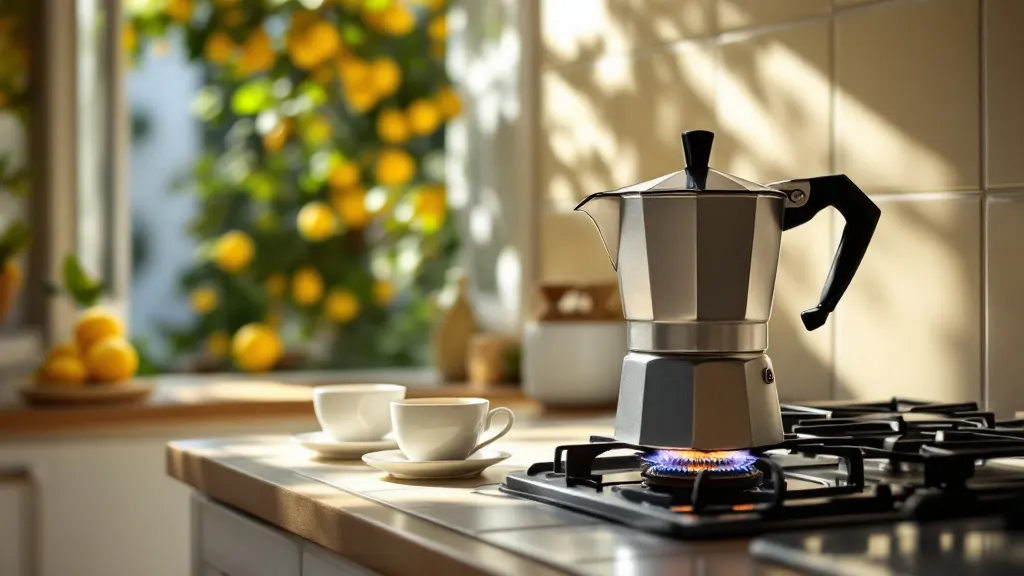
The best moka pot for most kitchens is the Bialetti Moka Express: a simple, durable aluminum stovetop brewer made since 1933 that turns out strong, rich coffee with no paper filters or electricity. If you want a moka cup with a layer of crema, choose the Bialetti Brikka, whose pressure valve is designed to build it.
Our top picks
- 1Best moka pot overallBialetti Moka Express 6 CupThe classic eight-sided aluminum pot, simple and durable, with spare gaskets and filters easy to find.See on brand site
- 2Best moka pot for cremaBialetti Brikka 2 CupA pressure valve designed to build crema, unlike a standard moka pot.See on brand site
- 3Best moka alternative without a stoveAeroPress Original Coffee MakerStrong, concentrated coffee from hot water and a plunger, with a paper filter and easy cleanup.See on brand site
- 4Best budget grinder for moka coffeeKINGrinder K6External adjustment in 16-micron steps lets you find the fine-but-not-espresso moka grind.See on brand site
Barista tip
Fill the bottom chamber with water that is already hot from the kettle, not cold from the tap. The pot reaches brewing temperature faster, so the coffee spends less time sitting on the heat and tastes sweeter and less metallic. Hold the hot base with a towel when you screw it together, keep the flame medium-low, and lift the pot off as soon as it starts to gurgle.
How we chose
We compared moka pots and their close cousins on the makers' published specs, our product catalog and what owners commonly report about cleaning, gaskets and stovetop compatibility. We did not test these brewers hands-on for this guide. We weighed taste style (classic moka versus crema), batch size, stove compatibility (gas, electric, induction) and how easy it is to find spare parts years from now.
What makes the best moka pot
The moka pot is a little piece of everyday joy. Water in the bottom chamber heats, steam pressure pushes it up through a funnel of ground coffee, and rich, strong coffee bubbles into the top chamber. It needs no paper filters and no electricity, just a stove and a few minutes.
It is especially loved in Italy: in a 2025 survey, 55.2% of Italians named the moka pot as a preferred way to make coffee, close behind pods 1. That mix of ritual and strength is why it remains a classic everywhere.
A moka pot makes something between drip coffee and espresso. It is stronger and thicker than filter coffee, but it brews at much lower pressure than an espresso machine, so classic moka coffee has little or no crema. For reference, the USDA lists about 63 mg of caffeine in a 1 fl oz (30 ml) espresso shot 2; we found no verified figure for moka coffee itself, so treat any per-cup caffeine number you see online with care.
One more thing to know: the moka pot uses a metal filter, so some coffee oils stay in your cup. Unfiltered brews raise LDL cholesterol through cafestol and kahweol, which paper filters hold back 3. In a lab analysis, espresso contained about 1 mg of cafestol per cup, far less than boiled coffee at 5 to 7 mg 4. The abstract does not provide a moka-specific figure, so these espresso values should not be used to estimate a moka serving.
When you choose the best moka pot, look at:
- Size. Moka pots are sized in small espresso cups of roughly 1.5 oz (45 ml). A "6 cup" pot makes about 9 oz (270 ml) of strong coffee, enough for two or three small cups or one generous mug.
- Material. Aluminum is light and heats quickly. A pot with an induction-compatible magnetic base works directly on induction.
- Valve design. A standard moka gives a classic cup. A pressure valve, like the Brikka's, aims for crema.
Our picks for the best moka pot
Bialetti Moka Express 6 Cup: best moka pot overall
The Bialetti Moka Express is the original, and it still sets the standard. Bialetti lists the 6-cup size at about 9.1 oz (270 ml) of coffee in aluminum, with a built-in metal funnel filter and no need for paper filters or electricity 5. The design has been made since 1933, and spare gaskets and filters are widely available, so one pot can last for many years.
Two care notes from the maker: the aluminum version needs Bialetti's induction adapter plate on induction hobs, and it is not dishwasher safe, so rinse it with water only 5. Rinse away coffee residue and dry the parts fully before reassembling.
If you are searching for the Bialetti Moka Express in a smaller size, the same design comes in several cup sizes; pick the size that matches how much coffee you drink in one sitting, since a moka pot works best when filled to its full design capacity.
Bialetti Moka Express 6 Cup
stovetop moka pot $
Best for: strong stovetop coffee, Italian-style coffee without an espresso machine
What we like
- Simple, durable design made since 1933
- No paper filters or electricity needed
- Spare gaskets and filters widely available
Keep in mind
- Aluminum version needs Bialetti induction plate on induction hobs
- Not dishwasher safe; rinse with water only
- type stovetop moka pot
- capacity 6 espresso cups (about 9.1 oz)
- material aluminum
- filter built-in metal funnel filter
Bialetti Brikka 2 Cup: best moka pot for crema
The Brikka is the moka pot for people who want a little crema on top. Bialetti describes a patented pressure valve that builds crema, unlike a standard moka pot 6. The 2-cup model makes about 3.3 oz (100 ml), enough for one or two small, strong cups, and it works on gas, electric and camping stoves 6.
Like the Moka Express, it needs a separate adapter plate for induction and it is not dishwasher safe 6. The batch size is fixed, so fill it to the line. The crema is lighter than a machine's, and it adds a lovely velvety start to each sip.
Bialetti Brikka 2 Cup
stovetop moka pot with pressure valve $
Best for: moka coffee with crema, one or two small strong cups
What we like
- Patented pressure valve builds crema, unlike a standard moka pot
- Works on gas, electric and camping stoves
Keep in mind
- Induction needs separate adapter plate
- Not dishwasher safe; small fixed batch size
- type stovetop moka pot with pressure valve
- capacity 2 espresso cups (about 3.3 oz)
- material aluminum
- filter built-in metal funnel filter
AeroPress Original: best moka alternative without a stove
If you love strong coffee but have no stove (an office, a dorm, a hotel room), the AeroPress is a happy substitute. AeroPress lists immersion plus plunger pressure, a 10 oz (about 300 ml) capacity, and a fast brew of about one to two minutes, with recipes that include concentrated espresso-style shots 7. It does not reach espresso pressure, and it uses a paper filter, so the cup is cleaner and lighter in oils than moka coffee 3.
AeroPress Original Coffee Maker
immersion/pressure press $
Best for: single cups at home or travel, experimenting with recipes
What we like
- Fast brew of about 1-2 minutes
- Nearly unbreakable and easy to clean
- Huge range of recipes, including concentrated espresso-style shots
Keep in mind
- Small batch size, one or two cups at a time
- Does not make true espresso (no 9-bar pressure)
- type immersion + plunger pressure
- capacity 10 oz (1-2 cups)
- material BPA-free plastic (Tritan)
- filter AeroPress micro-filter paper (metal filter optional)
KINGrinder K6: best budget grinder for moka coffee
Moka coffee wants a grind that is fine but a little coarser than espresso. Pre-ground espresso coffee is often too fine and can taste bitter in a moka pot. A hand grinder with precise steps solves that cheaply. KINGrinder lists the K6 with external adjustment at 16 microns per click, a full-metal aluminum body and a 25 to 30 g capacity 8, enough for a 6-cup moka pot dose. We could not confirm its US price, so we show a price band only.
KINGrinder K6
conical burr, external adjust $
Best for: budget all-rounder, espresso on a budget
What we like
- external adjustment, 16 microns per click
- full-metal aluminum body
Keep in mind
- 25-30 g capacity
- official UK listing in GBP, US price unconfirmed
- burr type conical
- burr material stainless steel
- espresso capable ✓
- capacity g 25-30
- microns per click 16
Moka pots compared
| Model | Bialetti Moka Express 6 Cup | Bialetti Brikka 2 Cup | AeroPress Original Coffee Maker |
|---|---|---|---|
| Price | $ | $ | $ |
| Type | stovetop moka pot | stovetop moka pot with pressure valve | immersion/pressure press |
| type | stovetop moka pot | stovetop moka pot with pressure valve | immersion + plunger pressure |
| capacity | 6 espresso cups (about 9.1 oz) | 2 espresso cups (about 3.3 oz) | 10 oz (1-2 cups) |
| material | aluminum | aluminum | BPA-free plastic (Tritan) |
| filter | built-in metal funnel filter | built-in metal funnel filter | AeroPress micro-filter paper (metal filter optional) |
| See on brand site | See on brand site | See on brand site |
How to use a moka pot
This method gives a sweet, rich cup with no burnt edge.
- Grind fine, but not powdery. Think table salt, a touch coarser than espresso. Our coffee grind size chart shows the target.
- Fill the bottom chamber with hot water up to just below the safety valve. Never cover the valve.
- Fill the funnel with coffee and level it with a finger. Do not tamp; packing it tight can block the flow.
- Screw the pot together firmly, holding the hot base with a towel.
- Heat on medium-low with the lid open so you can watch. Coffee should flow up in a slow, honey-like stream.
- Take it off the heat as soon as it sputters and turns pale. Cool the base under a running tap if you want to stop extraction right away.
- Stir the coffee in the top chamber before pouring, so every cup tastes the same.
Bitter or harsh? Use a lower flame and take it off sooner. Weak or sour? Grind a little finer or make sure the funnel is full. For milk drinks, a frother turns moka coffee into a cozy homemade latte; see our best milk frother guide.
Buying guide: what matters in a moka pot
Capacity. Moka pots brew best when filled to the design line, so buy for the amount you drink at once. A 6-cup pot is a good default for one or two people who like strong coffee.
Stove type. Aluminum pots need an adapter plate on induction 5, 6. If you cook on induction every day, choose a pot explicitly rated for induction to avoid the extra step.
Gaskets and spare parts. The rubber gasket and funnel filter wear over time. Brands with easy-to-buy spares keep your pot going for decades.
Crema or classic. A standard moka gives a rich, clean-edged cup. A pressure-valve design like the Brikka adds crema.
The grinder. Fresh, even grinding makes the biggest difference to taste. A burr grinder that can go fine without turning to dust is ideal. See our best coffee grinder guide.
Happy things to make with moka coffee
A moka pot is more versatile than it looks. Its strong, concentrated coffee is a lovely base for drinks:
- Caffè latte at home. Pour moka coffee into a big mug and top it with hot, frothed milk. Our guide to latte vs cappuccino shows how the milk ratio changes the feel of the drink.
- Americano-style mug. Add hot water to a small cup of moka coffee for a longer, gentler drink that keeps the rich roasty flavor.
- Iced moka. Brew, let it cool for a minute, then pour over a glass full of ice with a splash of milk. Sweet, bold and refreshing on a warm afternoon.
- Affogato. A spoon of vanilla ice cream with hot moka coffee poured over it is a small dessert that makes any evening feel special (decaf works beautifully here).
For more ideas, browse our friendly guide to types of coffee drinks.
Who should skip a moka pot
If you want true espresso with thick crema and silky steamed milk, a moka pot will feel close but not quite there; our best espresso machine for beginners guide is your next stop. If your doctor has raised concerns about LDL cholesterol, a paper-filtered brewer is the gentler daily choice. And if you prefer a large, mild mug of coffee, pour over or drip will suit you better. For everyone who loves a strong little cup with a big personality, the moka pot is pure, affordable joy.
Not sure yet? Try the free tool
Machine MatchmakerAnswer 6 quick questions and get the machine type and models that fit your drinks, budget and patience, with a 3-year cost-per-cup comparison.Price bands: $ under $100 · $$ $100–299 · $$$ $300–799 · $$$$ $800–1,999 · $$$$$ $2,000+. Prices change, so check the retailer.
When to talk to a doctor
Moka coffee is not paper-filtered; if you are managing high LDL cholesterol, ask your doctor whether filtered coffee suits you better.
Frequently asked questions
Is a moka pot the same as espresso?
No. A moka pot uses steam pressure from boiling water, which is much lower than the pressure an espresso machine uses. The coffee is strong and concentrated, thicker than drip, but usually without real crema. Pressure-valve designs like the Bialetti Brikka build some crema. Many people happily use moka coffee as a base for homemade lattes and cappuccinos.
Why does my moka pot coffee taste bitter?
Usually the heat is too high or the pot stays on the stove too long. Use medium-low heat, start with hot water in the base, and take the pot off as soon as it sputters. A grind that is too fine, like espresso powder, can also make it bitter. Try a slightly coarser grind and stir the coffee before you pour.
Should you tamp coffee in a moka pot?
No. Fill the funnel basket to the top and level it gently with a finger, but do not press it down. Tamping packs the coffee too tightly, which slows or blocks the flow and pushes the pot to over-extract, giving a harsh cup. A loose, level bed lets water rise evenly and keeps the flavor sweet.
Can you use a moka pot on an induction stove?
Only if the pot is made of a magnetic material such as stainless steel. Aluminum moka pots, including the classic Bialetti Moka Express and the Brikka, need an induction adapter plate that sits between the hob and the pot. Check the base of your pot or the maker's product page before you buy, and choose a steel model if you cook on induction daily.
How do you clean a moka pot?
Let it cool, unscrew it, empty the grounds and rinse every part with warm water. Bialetti says its aluminum pots are not dishwasher safe and should be rinsed with water only. Dry the parts fully before reassembling, and replace the rubber gasket when it hardens or cracks so the pot seals well.
Sources
We link to the original studies and official pages so you can check every claim.
- ANSA (2025). Espresso most popular coffee, moka pot catches up with pods. ANSA English.
- USDA Agricultural Research Service. Beverages, coffee, brewed, espresso, restaurant-prepared (FDC ID 171891). USDA FoodData Central.
- Urgert R, Katan MB (1997). The cholesterol-raising factor from coffee beans. Annu Rev Nutr.
- Gross G, Jaccaud E, Huggett AC (1997). Analysis of the content of the diterpenes cafestol and kahweol in coffee brews. Food Chem Toxicol.
- Bialetti (2026). Moka Express 6 Cup Italian Coffee Maker. Official product page.
- Bialetti (2026). Brikka 2 Cup Moka Pot: rich espresso with crema. Official product page.
- AeroPress (2026). AeroPress Original Coffee Maker. Official product page.
- KINGrinder (2026). K6 manual coffee grinder. Official product page.

About the author
Petr Hess, Founder, chemical engineer. Petr Hess studied chemical engineering and loves exploring how substances act on the human body. Coffee is his favorite of them: he reads the studies on caffeine, enzymes and digestion, compares the spec sheets of machines and grinders, and brews more coffee than is strictly reasonable, so you can choose well and enjoy every cup. How we choose.
Keep reading
 Coffee makersThe Best Cold Brew Coffee Maker: Smooth, Chilled Coffee Waiting in Your FridgeThe best cold brew coffee maker for most people is the Hario Mizudashi: an inexpensive glass pitcher with a built-in filter that fits in a fridge door and makes 1 liter of ready-to-drink cold brew.
 Coffee makersThe Best Drip Coffee Makers for Bright, Easy MorningsThe best drip coffee maker for most people is the Technivorm Moccamaster KBGV Select, a fast, simple brewer with a 5-year warranty.
 Coffee makersThe Best Coffee Makers With a Built-In Grinder for Fresh-Ground MorningsThe best coffee maker with grinder for most people is the Breville Grind Control, which pairs an adjustable burr grinder with a programmable brewer and thermal carafe.
 GrindersBurr vs Blade Grinder: Why Even Grinds Make Happier CoffeeIn the burr vs blade grinder debate, burr grinders win for flavor because they crush beans between two burrs at a set gap, giving an even, adjustable grind.